Last month we marked a significant milestone, 21 years since the establishment of the Office of the Guardian for Children and Young People in South Australia. It was not only a moment to celebrate longevity, but to reflect on what the Guardian position and the Office has meant for children and young people in out-of-home care and youth detention, and for the systems that serve them. From the outset, the Guardian was created to ensure that the voices of children are not just heard, but acted upon, a safeguard for their rights, their safety, and their futures. Which aligns nicely with this year’s theme for National Child Protection Week “shifting conversation to action”.
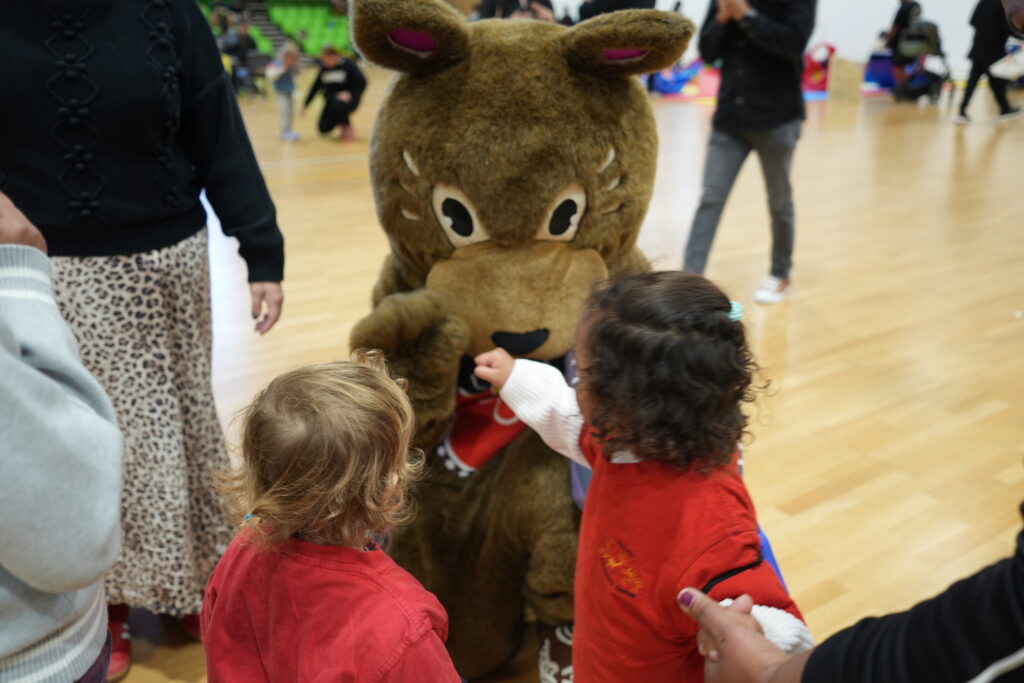
The anniversary was celebrated in the most fitting way possible: with a packed room filled with children and young people in care, foster and kinship carers, families, dignitaries, community leaders, service providers, and past Guardians. The gathering was a powerful reminder that this work belongs to a broad community of people who care deeply about the wellbeing of children. It was a moment to honour those who have carried the role before me, to acknowledge the courage of children who speak up, and to affirm the many carers and families who walk alongside them every day.


Looking back over 21 years, there have been defining moments of advocacy that shaped our state’s approach to care and supporting children. The closure of the notorious Magill Training Centre was a watershed moment, ending an era of rights breaches in youth detention that failed children. The push to end large-scale residential care homes was another, dismantling care models that could not provide the safety, stability, and belonging children deserve. These achievements were hard won, born from persistence, evidence, and the testimonies of young people themselves. They were also born of shared community commitment to make a difference and to focus solely on the interests of children in our community.
The office’s 21st anniversary also reaffirmed something vital: independent oversight is not an optional extra. It is integral to safeguarding children, to ensuring services are accountable, and to keeping governments and systems true to their promise. Oversight demands that we confront uncomfortable truths. In this role, I often have to say things people do not want to hear, or that are difficult to hear, but this is exactly what is essential for good governance and contemporary systems. Without it, children’s experiences risk being hidden, and systems risk becoming self-serving rather than child-centred.
While celebrating past milestones, the future calls us to remain steadfast in our advocacy and to continue shifting systems towards children’s rights and wellbeing. The Guardian’s role is, and always must be, to ensure that every child in care or detention is safe, respected, and seen. It must not be diluted because the topics are too tough, or advice is too hard to hear, or the issues are too complex to navigate.